
🔮 What Is a Kundli?
A Kundli, also known as a birth chart or horoscope, is a detailed astrological chart that shows the exact position of planets, zodiac signs, and houses at the moment a person is born. In Vedic astrology, the Kundli is considered a powerful tool used to understand a person’s personality, life path, strengths, challenges, and future possibilities.

The word Kundli comes from the Sanskrit word “Kundali,” which means a circular diagram. This diagram represents the cosmic alignment of celestial bodies at the time of birth. Astrologers believe that these planetary positions influence various aspects of a person’s life.
How a Kundli Is Created
To create an accurate Kundli, three important details are required:
- Date of Birth
- Exact Time of Birth
- Place of Birth
Using this information, astrologers calculate the positions of the nine planets (Navagraha) and place them in the twelve houses and zodiac signs of the chart. These placements form the foundation for astrological interpretation.
Main Elements of a Kundli
A Kundli consists of several important components that together form a complete picture of a person’s life.
1. The 12 Houses
In astrology, a Kundli (birth chart) is divided into 12 houses. Each house represents a different area of life, such as personality, wealth, relationships, career, and spirituality. The planets placed in these houses influence how these aspects of life unfold.
Understanding the 12 houses helps astrologers analyze a person’s life path and experiences.
1️⃣ First House – House of Self (Lagna)
The first house represents personality, physical appearance, health, and overall identity. It shows how a person presents themselves to the world and their natural behavior.
Key areas:
- Personality
- Physical body
- Self-confidence
- Life direction
2️⃣ Second House – House of Wealth
The second house is related to money, savings, family values, and speech. It shows how a person manages finances and their ability to accumulate wealth.
Key areas:
- Income and savings
- Family background
- Speech and communication
- Material possessions
3️⃣ Third House – House of Communication
The third house represents communication, courage, creativity, and siblings. It also indicates skills related to writing, speaking, and media.
Key areas:
- Communication skills
- Younger siblings
- Courage and determination
- Short travels
4️⃣ Fourth House – House of Home and Comfort
The fourth house is associated with home, mother, emotional security, and property. It reflects a person’s sense of comfort and inner happiness.
Key areas:
- Home and property
- Mother and family life
- Emotional stability
- Vehicles and comforts
5️⃣ Fifth House – House of Creativity and Children
The fifth house governs creativity, intelligence, education, romance, and children. It is also linked with artistic talents and hobbies.
Key areas:
- Education and intelligence
- Creativity and talents
- Love affairs
- Children
6️⃣ Sixth House – House of Health and Service
The sixth house deals with health, daily work, competition, and challenges. It also represents enemies and obstacles that a person may face.
Key areas:
- Health and diseases
- Work and service
- Debts and conflicts
- Discipline and routine
7️⃣ Seventh House – House of Marriage and Partnerships
The seventh house is related to marriage, romantic relationships, and business partnerships. It shows how a person interacts with others in close relationships.
Key areas:
- Marriage and spouse
- Partnerships
- Public relationships
- Long-term commitments
8️⃣ Eighth House – House of Transformation
The eighth house is associated with mystery, transformation, sudden events, and hidden knowledge. It also represents inheritance and deep psychological changes.
Key areas:
- Transformation
- Sudden gains or losses
- Inheritance
- Occult and secrets
9️⃣ Ninth House – House of Fortune and Spirituality
The ninth house represents luck, spirituality, higher education, and long-distance travel. It is connected with wisdom and religious beliefs.
Key areas:
- Fortune and luck
- Higher education
- Spirituality and religion
- Long journeys
🔟 Tenth House – House of Career
The tenth house is one of the most important houses because it represents career, profession, reputation, and achievements.
Key areas:
- Career and profession
- Social status
- Public image
- Achievements
1️⃣1️⃣ Eleventh House – House of Gains
The eleventh house governs income, success, and fulfillment of desires. It also represents friendships and social networks.
Key areas:
- Financial gains
- Friends and social circle
- Achievements
- Dreams and goals
1️⃣2️⃣ Twelfth House – House of Spirituality and Loss
The twelfth house is connected with spiritual growth, isolation, foreign travel, and expenses. It represents the subconscious mind and liber
Conclusion
The 12 houses in a Kundli represent different areas of life, and the planets placed in these houses influence how these aspects develop. By analyzing these houses together, astrologers can gain deeper insights into a person’s life experiences, challenges, and opportunities.
2. The 12 Zodiac Signs
In astrology, the Zodiac is a circle of 12 signs that represent different personality traits, energies, and characteristics. These signs are based on the position of the Sun, Moon, and planets in the sky at the time of a person’s birth.
Each zodiac sign is associated with certain qualities, elements, and ruling planets, which influence a person’s behavior, strengths, and life approach.
1️⃣ Aries (March 21 – April 19)
Element: Fire
Ruling Planet: Mars
Aries is known for its energy, courage, and leadership qualities. People born under this sign are often confident, ambitious, and eager to take initiative. They enjoy challenges and like to lead rather than follow.
Key traits:
Brave and energetic
Competitive
Natural leader
2️⃣ Taurus (April 20 – May 20)
Element: Earth
Ruling Planet: Venus
Taurus represents stability, patience, and practicality. Taurus individuals value comfort, security, and beauty. They are known for being reliable and determined.
Key traits:
Loyal and dependable
Practical
Loves comfort and luxury
3️⃣ Gemini (May 21 – June 20)
Element: Air
Ruling Planet: Mercury
Gemini is associated with communication, curiosity, and intelligence. People born under this sign are usually social, adaptable, and quick thinkers.
Key traits:
Talkative and expressive
Curious and versatile
Intelligent and creative
4️⃣ Cancer (June 21 – July 22)
Element: Water
Ruling Planet: Moon
Cancer is known for its emotional depth, sensitivity, and nurturing nature. Cancer individuals are often caring and strongly connected to family and home.
Key traits:
Emotional and compassionate
Protective of loved ones
Intuitive
5️⃣ Leo (July 23 – August 22)
Element: Fire
Ruling Planet: Sun
Leo represents confidence, creativity, and leadership. People born under this sign often enjoy being in the spotlight and have strong charisma.
Key traits:
Confident and bold
Creative and expressive
Natural leader
6️⃣ Virgo (August 23 – September 22)
Element: Earth
Ruling Planet: Mercury
Virgo is associated with analysis, organization, and attention to detail. Virgo individuals are practical thinkers and often strive for perfection.
Key traits:
Analytical and practical
Hardworking
Detail-oriented
7️⃣ Libra (September 23 – October 22)
Element: Air
Ruling Planet: Venus
Libra represents balance, harmony, and relationships. People born under this sign often value fairness and enjoy creating peaceful environments.
Key traits:
Diplomatic
Charming
Values harmony
8️⃣ Scorpio (October 23 – November 21)
Element: Water
Ruling Planet: Mars (traditional) / Pluto (modern)
Scorpio is known for its intensity, determination, and emotional strength. Scorpio individuals are often passionate and deeply intuitive.
Key traits:
Passionate
Determined
Mysterious
9️⃣ Sagittarius (November 22 – December 21)
Element: Fire
Ruling Planet: Jupiter
Sagittarius represents adventure, optimism, and wisdom. People born under this sign often enjoy travel, learning, and exploring new ideas.
Key traits:
Optimistic
Honest and straightforward
Loves freedom and adventure
🔟 Capricorn (December 22 – January 19)
Element: Earth
Ruling Planet: Saturn
Capricorn is associated with discipline, responsibility, and ambition. Capricorn individuals are hardworking and focused on achieving long-term goals.
Key traits:
Practical and disciplined
Goal-oriented
Responsible
1️⃣1️⃣ Aquarius (January 20 – February 18)
Element: Air
Ruling Planet: Saturn (traditional) / Uranus (modern)
Aquarius represents innovation, independence, and humanitarian thinking. People born under this sign often think differently and value individuality.
Key traits:
Independent
Innovative
Visionary
1️⃣2️⃣ Pisces (February 19 – March 20)
Element: Water
Ruling Planet: Jupiter (traditional) / Neptune (modern)
Pisces is associated with compassion, imagination, and spirituality. Pisces individuals are often sensitive and deeply connected to emotions and creativity.
Key traits:
Compassionate
Artistic and imaginative
Spiritual
Conclusion
The 12 zodiac signs represent different personality energies and life approaches. In astrology, the placement of these signs in a Kundli’s houses and their interaction with planets help astrologers understand a person’s character, strengths, challenges, and life journey.Each house in the Kundli contains one of the twelve zodiac signs, such as Aries, Taurus, Gemini, Cancer, Leo, Virgo, Libra, Scorpio, Sagittarius, Capricorn, Aquarius, and Pisces. These signs influence how planetary energies express themselves in different areas of life.
3. The 9 Planets (Navagraha)
In Vedic astrology, the Navagraha refers to the nine celestial bodies that influence human life and destiny. The word Navagraha comes from Sanskrit, where “Nava” means nine and “Graha” means planet or cosmic influencer.
These nine planets are believed to affect different aspects of life such as personality, career, relationships, health, and spirituality. Their position in a Kundli (birth chart) determines how their energies influence an individual.
The nine planets in Vedic astrology are:
- Sun (Surya)
- Moon (Chandra)
- Mars (Mangal)
- Mercury (Budh)
- Jupiter (Guru or Brihaspati)
- Venus (Shukra)
- Saturn (Shani)
- Rahu
- Ketu
1️⃣ Sun (Surya)
The Sun represents power, authority, confidence, and leadership. It symbolizes the soul and inner strength of a person. A strong Sun in a Kundli often indicates confidence, success, and strong leadership abilities.

Key areas influenced:
- Ego and self-identity
- Leadership and authority
- Father and government
- Vitality and energy
2️⃣ Moon (Chandra)
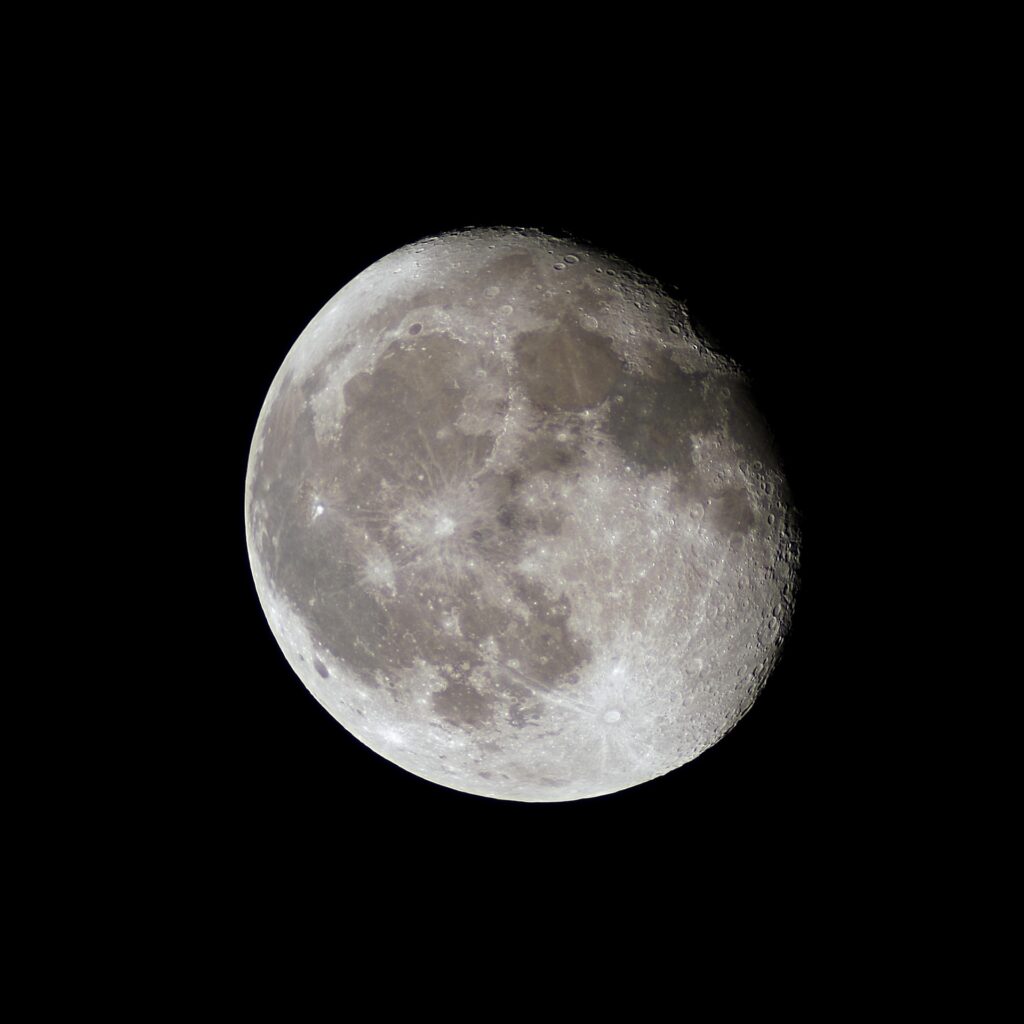
The Moon represents the mind, emotions, and feelings. It influences how a person thinks, reacts emotionally, and connects with others.
Key areas influenced:
- Emotions and mental state
- Mother and nurturing
- Intuition and imagination
- Mood and sensitivity
3️⃣ Mars (Mangal)
Mars symbolizes energy, courage, strength, and determination. It represents action and the ability to face challenges.

Key areas influenced:
- Courage and bravery
- Physical strength
- Aggression and competitiveness
- Determination and ambition
4️⃣ Mercury (Budh)

Mercury is the planet of intelligence, communication, and learning. It governs analytical thinking and the ability to express ideas clearly.
Key areas influenced:
- Communication skills
- Intelligence and reasoning
- Business and trade
- Education and writing
5️⃣ Jupiter (Guru or Brihaspati)
Jupiter is considered the planet of wisdom, knowledge, and good fortune. It represents growth, prosperity, and spiritual guidance.

Key areas influenced:
- Wisdom and knowledge
- Wealth and prosperity
- Spirituality and faith
- Teachers and mentors
6️⃣ Venus (Shukra)
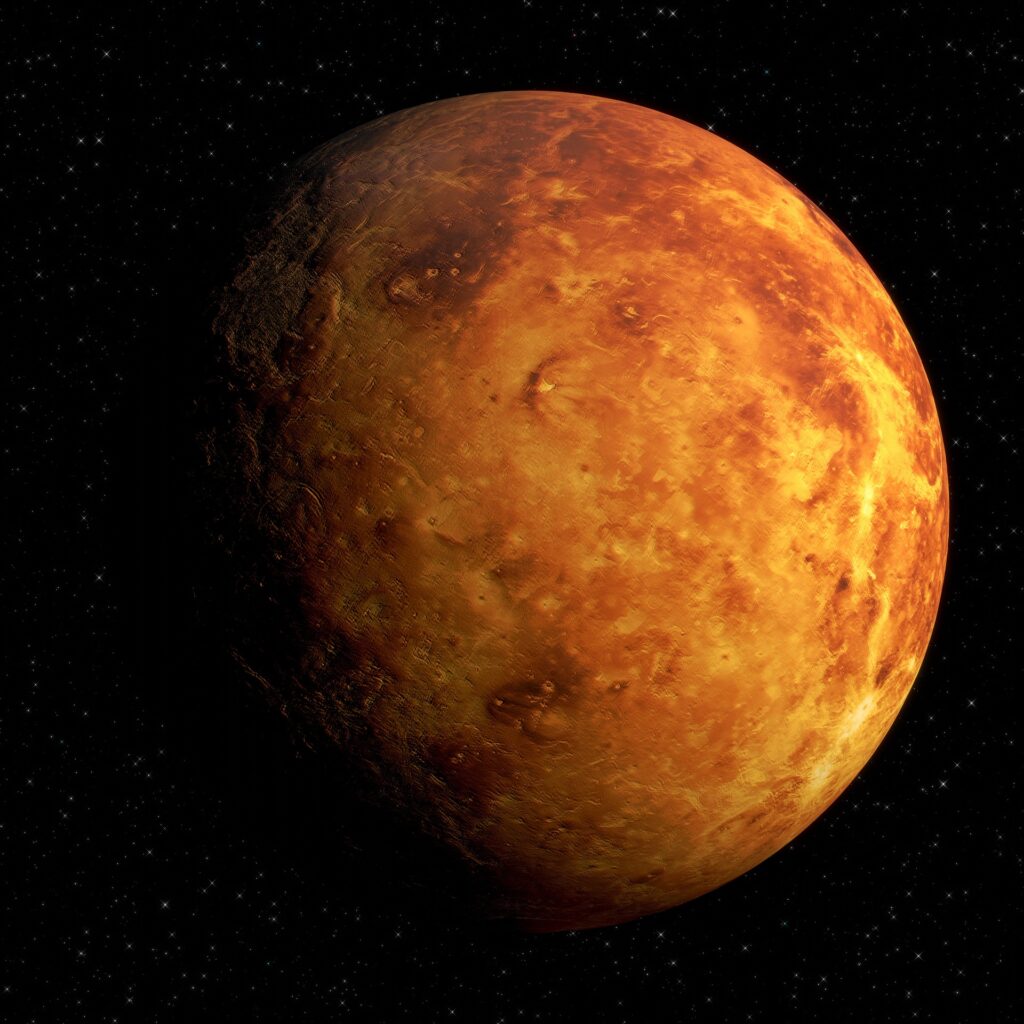
Venus represents love, beauty, luxury, and relationships. It governs pleasure, art, and attraction.
Key areas influenced:
- Love and romance
- Marriage and relationships
- Luxury and comfort
- Art, beauty, and creativity
7️⃣ Saturn (Shani)
Saturn is known as the planet of discipline, karma, and hard work. It teaches important life lessons through patience and responsibility.
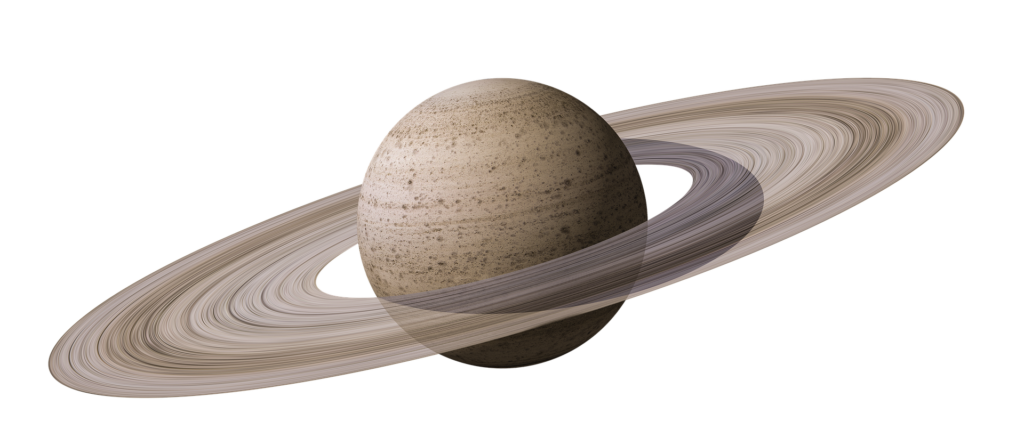
Key areas influenced:
- Hard work and discipline
- Delays and challenges
- Karma and life lessons
- Responsibility and maturity
8️⃣ Rahu
Rahu is considered a shadow planet and represents desires, ambition, and material success. It often brings sudden changes and unconventional paths in life.
Key areas influenced:
- Ambition and worldly desires
- Foreign connections
- Innovation and unusual experiences
- Sudden success or confusion
9️⃣ Ketu
Ketu is another shadow planet and is associated with spirituality, detachment, and enlightenment. It represents past life karma and spiritual growth.
Key areas influenced:
- Spiritual awareness
- Detachment from material life
- Mysticism and intuition
- Inner transformation
Conclusion
The Navagraha (nine planets) play a crucial role in Vedic astrology. Their positions and interactions in a Kundli influence different aspects of life, including personality, career, relationships, and spiritual development. By analyzing these planets, astrologers gain insights into a person’s strengths, challenges, and life path.
4. Ascendant (Lagna)
The Ascendant or Lagna is the zodiac sign rising on the eastern horizon at the time of birth. It is one of the most important factors in a Kundli because it determines the structure of the entire birth chart and strongly influences personality and life direction.
Types of Kundli Charts
Astrologers oftenIn Vedic astrology, a Kundli (birth chart) is the main chart used to study a person’s life and destiny. However, astrologers often analyze different types of charts derived from the main Kundli to gain deeper insights into specific areas such as marriage, career, wealth, and spirituality.
These charts are called divisional charts (Varga Charts). Each chart focuses on a particular aspect of life and helps astrologers make more detailed interpretations.
1️⃣ Lagna Chart (D1 Chart) – The Main Birth Chart
The Lagna Chart, also called the D1 Chart, is the most important chart in astrology. It shows the position of the planets in the 12 houses at the time of birth.
This chart forms the foundation of all astrological analysis.
What it represents:
- Personality and life direction
- Health and physical appearance
- Career and relationships
- Overall life events
2️⃣ Navamsa Chart (D9 Chart)
The Navamsa Chart is one of the most important divisional charts used in astrology. It is mainly used to study marriage, relationships, and spiritual growth.
Astrologers also use it to check the strength of planets in the main birth chart.
What it represents:
- Marriage and spouse
- Relationship stability
- Spiritual progress
- Inner strength of planets
3️⃣ Dashamsa Chart (D10 Chart)
The Dashamsa Chart focuses on career, profession, and professional achievements. It helps astrologers understand how a person may perform in their professional life.
What it represents:
- Career success
- Professional reputation
- Job opportunities
- Leadership abilities
4️⃣ Saptamsa Chart (D7 Chart)
The Saptamsa Chart is used to analyze children and matters related to offspring. It provides insight into family expansion and parental experiences.
What it represents:
- Children and fertility
- Relationship with children
- Family growth
5️⃣ Chaturthamsha Chart (D4 Chart)
The Chaturthamsha Chart focuses on property, home, and material comforts. It is used to study real estate, vehicles, and living conditions.
What it represents:
- Property and land
- Home and comforts
- Wealth through assets
6️⃣ Dwadashamsha Chart (D12 Chart)
The Dwadashamsha Chart is related to parents and family lineage. It gives insights into inherited traits and family influence.
What it represents:
- Relationship with parents
- Family background
- Ancestral influence
7️⃣ Shodasamsa Chart (D16 Chart)
The Shodasamsa Chart is used to analyze luxuries, vehicles, and material comforts in life.
What it represents:
- Comfort and luxury
- Vehicles
- Lifestyle and pleasures
8️⃣ Vimshamsa Chart (D20 Chart)
The Vimshamsa Chart is associated with spirituality and religious practices. It helps understand a person’s spiritual path and devotion.
What it represents:
- Spiritual growth
- Religious activities
- Meditation and devotion
9️⃣ Shastiamsa Chart (D60 Chart)
The Shastiamsa Chart is one of the most detailed charts in astrology. It is used to understand past life karma and deeper karmic influences.
What it represents:
- Past life karma
- Hidden strengths and weaknesses
- Deeper life patterns
Conclusion
Different types of Kundli charts help astrologers study specific areas of life more accurately. While the Lagna chart (D1) provides the overall life picture, other divisional charts like Navamsa (D9) and Dashamsa (D10) offer deeper insights into marriage, career, wealth, and spirituality.
By analyzing these charts together, astrologers can provide more precise guidance and predictions about a person’s life.
The Purpose of a Kundli
A Kundli (birth chart) is an important tool in Vedic astrology that helps understand a person’s life path, personality, and future possibilities. It is created using the date, time, and place of birth, which determine the positions of planets and zodiac signs at that moment.
The main purpose of a Kundli is to provide guidance and deeper insight into different areas of life. By studying planetary positions and their influence, astrologers interpret patterns that may affect a person’s experiences and decisions.
1️⃣ Understanding Personality and Nature
One of the main purposes of a Kundli is to help understand a person’s character, behavior, strengths, and weaknesses. The positions of the planets and the ascendant (Lagna) reveal natural qualities and tendencies.
This helps individuals gain self-awareness and understand how they interact with the world.
2️⃣ Guidance for Career and Life Path
A Kundli can provide insight into a person’s talents, interests, and suitable career choices. Certain planetary combinations may indicate success in fields like business, education, creative arts, or leadership.
This guidance can help individuals choose a career path that aligns with their abilities.
3️⃣ Understanding Relationships and Marriage
Astrology often uses Kundli analysis to understand compatibility in relationships and marriage. Kundli matching is commonly done to evaluate harmony between two people and identify potential challenges.
This helps individuals build stronger and more balanced relationships.
4️⃣ Predicting Important Life Events
Another purpose of a Kundli is to study planetary periods (Dasha) and transits, which may indicate the timing of important life events. These could include career changes, marriage, financial growth, or other milestones.
Such insights can help people prepare for opportunities and challenges.
5️⃣ Identifying Challenges and Obstacles
A Kundli can also reveal planetary influences that may create difficulties or delays in certain areas of life. By identifying these patterns, individuals can become more aware of potential obstacles.
This awareness helps in making better decisions and managing challenges wisely.
6️⃣ Suggesting Astrological Remedies
Based on the analysis of a Kundli, astrologers may suggest remedies to balance planetary energies. These remedies can include spiritual practices such as mantras, poojas, meditation, or wearing gemstones.
The goal of these remedies is to reduce negative influences and enhance positive energies.
7️⃣ Helping in Decision Making
Many people consult their Kundli before making important life decisions, such as starting a business, buying property, choosing a career, or planning marriage.
Astrology provides guidance that can help individuals choose favorable timings and directions for their actions.
Conclusion
The purpose of a Kundli is not only to predict the future but also to provide self-understanding, guidance, and clarity in life. By analyzing planetary positions and their influence, astrology helps individuals recognize opportunities, overcome challenges, and make informed decisions for a balanced and successful life. ✨
Conclusion
A Kundli is often described as a cosmic blueprint of an individual’s life. It reflects the planetary energies present at the moment of birth and provides valuable insights into different areas of life. Through careful analysis, astrology uses the Kundli to offer guidance, clarity, and remedies that can help individuals navigate life more effectively.
⭐ Why Is a Kundli Important?
A Kundli (birth chart) is considered one of the most important tools in Vedic astrology because it provides deep insights into a person’s life, personality, and future possibilities. It acts like a cosmic blueprint, showing how planetary positions at the time of birth may influence different aspects of life.
Here are the main reasons why a Kundli is important:
1. Understanding Personality and Nature
A Kundli helps reveal a person’s natural traits, behavior, strengths, and weaknesses. By analyzing the position of the planets and the ascendant (Lagna), astrologers can understand how a person thinks, reacts, and interacts with others.
2. Guidance for Career and Education
A Kundli can help identify a person’s talents, abilities, and suitable career paths. The positions of certain planets and houses in the chart indicate which professions or fields may bring success and satisfaction.
3. Marriage Compatibility (Kundli Matching)
In many traditions, Kundli is used to check compatibility between two people before marriage. This process, often called Kundli matching or horoscope matching, helps determine harmony in relationships and reduces potential conflicts.
4. Predicting Important Life Events
Astrologers study the planetary periods (Dasha) and transits in a Kundli to understand the timing of important events in life. These may include career changes, marriage, financial growth, or other major milestones.
5. Identifying Challenges and Obstacles
A Kundli can reveal unfavorable planetary influences or doshas that may create difficulties in life. Recognizing these patterns helps individuals prepare for challenges and handle them more wisely.
6. Providing Astrological Remedies
Another important aspect of a Kundli is that it helps astrologers suggest remedies to balance planetary energies. These remedies may include mantras, poojas, gemstones, or spiritual practices that are believed to reduce negative influences.
7. Helping in Decision Making
Many people consult their Kundli before making important life decisions, such as starting a business, choosing a career path, buying property, or planning marriage. Astrology provides guidance that can help individuals choose favorable timings and directions.
Conclusion
A Kundli is important because it offers guidance, clarity, and self-understanding. By analyzing planetary positions and their effects, astrology aims to help people understand their life path, overcome challenges, and make better decisions for the future.
🪔 Final Thoughts
A Kundli is considered a cosmic blueprint of a person’s life. By understanding the planetary influences at birth, astrology aims to provide guidance, self-awareness, and solutions to life’s challenges.